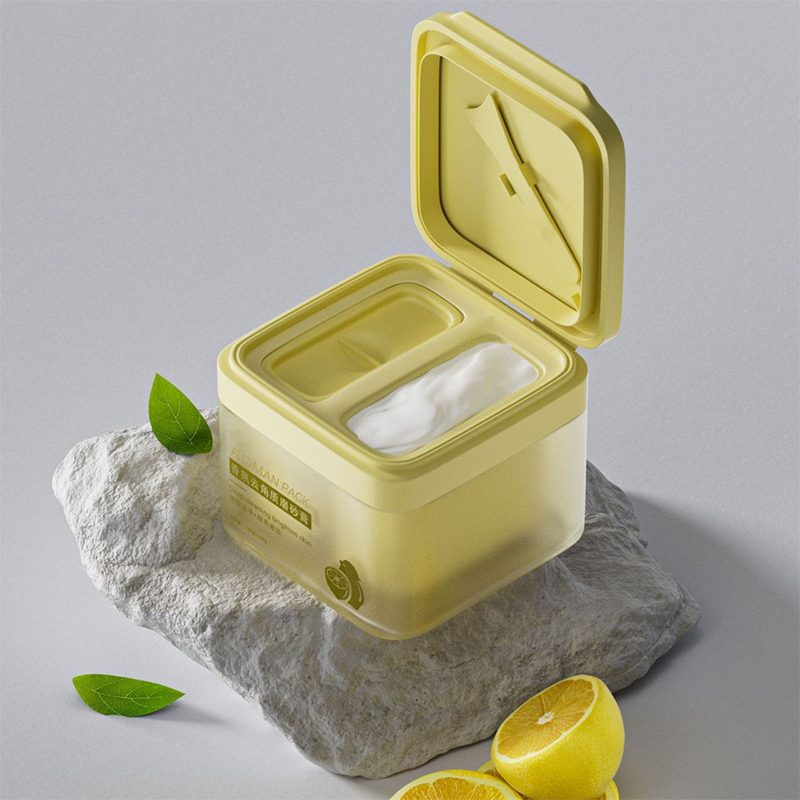
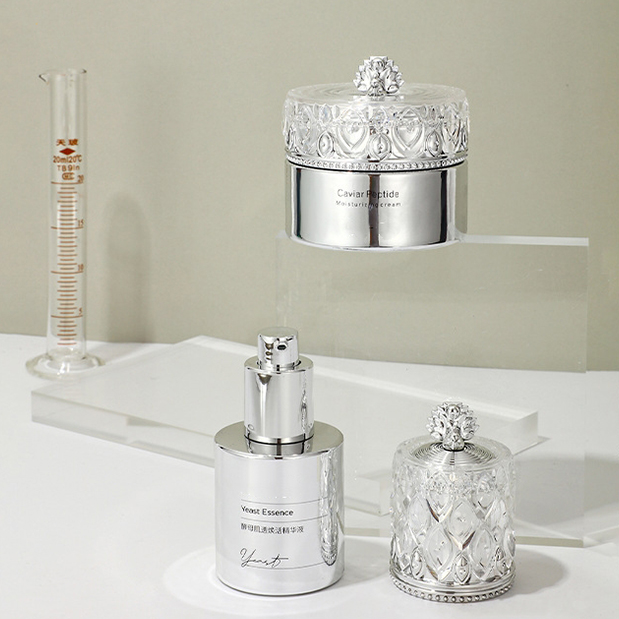
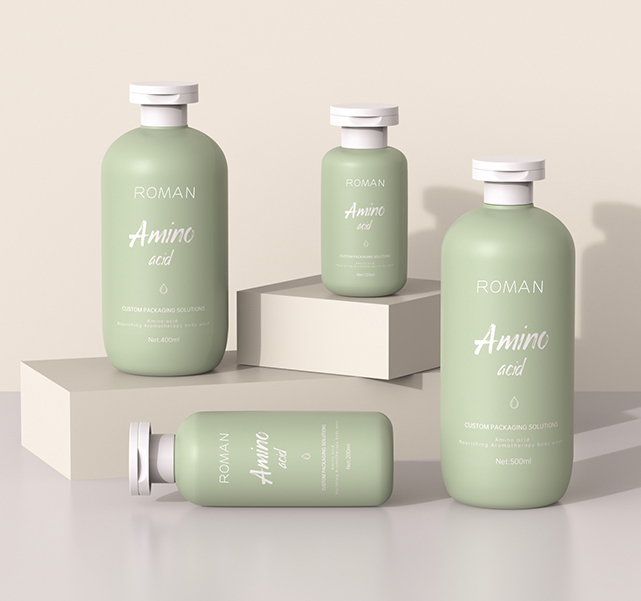
Ang pagpili ng tamang lalagyan para sa mga cosmetic at dermatological formulation ay gumaganap ng isang mahalagang papel sa pagiging epektibo ng produkto, pagpapanatili ng buhay ng istante, at pagkakakilanlan ng tatak. Ang mga formula ng skincare ay naglalaman ng mga kumplikadong aktibong sangkap gaya ng mga antioxidant, hydroxy acid, botanical extract, at peptides na nangangailangan ng mga partikular na proteksyon sa kapaligiran laban sa pagkakalantad sa hangin, light radiation, at microbial contamination. Ang mga packaging engineer at cosmetic chemist ay nagsusuri ng maraming mga format ng packaging upang matiyak na ang pisikal na packaging ay tumutugma sa lagkit, kemikal na komposisyon, at paraan ng paggamit ng formula.
Kabilang sa iba't ibang materyales na magagamit sa merkado ngayon, ang plastik na bote ng pangangalaga sa balat nananatiling isa sa pinakamalawak na ipinatupad na mga solusyon sa mass-market, indie, at mga propesyonal na dermatological brand. Gayunpaman, ang pag-unawa sa kumpletong spectrum ng mga disenyo ng bote ay nangangailangan ng pagsusuri sa parehong mga mekanismo ng dispensing at mga komposisyon ng materyal. Ang komprehensibong gabay na ito ay nagdedetalye ng mga natatanging uri ng mga bote ng skincare na magagamit, sinusuri kung paano nakakaapekto ang bawat mekanismo at materyal sa katatagan ng formula, karanasan ng consumer, at aesthetic na presentasyon.
[Larawan: Isang malinis na pagpapakita ng iba't ibang mga bote ng skincare kabilang ang mga walang hangin na pump na mga plastik na bote, mga bote ng patak ng salamin, at mga lalagyan ng pinong mist spray na puno ng mga cosmetic lotion at serum]
Pagkakategorya ng Mga Bote ng Skincare ayon sa Mekanismo ng Dispensing
Tinutukoy ng mekanismo ng dispensing kung paano nakikipag-ugnayan ang isang mamimili sa isang produkto at direktang kinokontrol kung gaano kalaking exposure sa kapaligiran ang natatanggap ng formula sa araw-araw na paggamit. Ang pagpili ng hindi tugmang sistema ng dispensing ay maaaring humantong sa napaaga na oksihenasyon, pagpapatuyo ng produkto, o hindi mahusay na paggamit.
Mga Bote ng Pangangalaga sa Balat na Walang Air na Pump
Ang mga walang hangin na lalagyan ng bomba ay kumakatawan sa isang malaking pag-unlad sa teknolohiya ng cosmetic packaging. Hindi tulad ng mga tradisyunal na mekanismo ng bomba na umaasa sa isang dip tube upang kumukuha ng likido pataas, ang isang walang hangin na sistema ay gumagana sa pamamagitan ng isang hindi naka-pressure na disenyo ng vacuum. Nagtatampok ang istraktura ng tumataas na piston na matatagpuan sa base ng bote. Habang pini-depress ng user ang pump head, nagkakaroon ng vacuum effect, hinihila ang piston pataas at itinutulak ang likido palabas sa nozzle nang hindi pinahihintulutan ang ambient air na muling pumasok sa chamber.
Ang paggamit ng walang hangin na plastic na bote ng skincare ay nag-aalok ng natatanging mga pakinabang para sa mga sensitibong formulation na naglalaman ng mga aktibong sangkap tulad ng Vitamin C, Retinol, o L-ascorbic acid. Dahil ang atmospheric oxygen ay pinapanatili sa labas ng lalagyan, ang mga rate ng oksihenasyon ay makabuluhang nababawasan, na nagpapahintulot sa mga tagagawa na babaan ang mga konsentrasyon ng pang-imbak habang pinapanatili ang pinalawig na katatagan ng istante. Higit pa rito, ang mga airless pump system ay nagbibigay-daan sa halos kumpletong paglikas ng produkto, kadalasang umaabot sa mahigit siyamnapu't limang porsyentong paglikas ng produkto, na nagpapababa ng basura ng produkto para sa end user.
Ang mga lalagyan na walang hangin ay karaniwang ginagawa gamit ang polypropylene o polyethylene terephthalate glycol, na nagbibigay ng integridad ng istruktura at mataas na paglaban sa kemikal. Ang mabibigat na wall plastic skincare bottle variation ay maaari ding gayahin ang bigat at kalinawan ng solid glass habang nagbibigay ng mga benepisyong hindi mababasag na likas sa mga engineered polymer. Ang mga lalagyan na ito ay mainam para sa mga mid-to-high viscosity cream, gel, at emulsion serum.
Mga Karaniwang Bote ng Dispenser ng Pump
Ang mga karaniwang pump bottle ay gumagamit ng isang klasikong dip tube na umaabot mula sa pump engine hanggang sa panloob na base ng bottle reservoir. Kapag idiniin ng user ang actuator, pinipilit ng air pressure ang produkto na pataas sa tubo at palabas sa spout. Ang mga panloob na balbula ng bola at mga bukal ay kumokontrol sa daloy, nire-reset ang pump pagkatapos ng bawat stroke.
Ang mga dispenser na ito ay pambihirang versatile at malawak na ipinares sa isang karaniwang plastic na bote ng skincare para sa mga produkto tulad ng pang-araw-araw na facial cleanser, body lotion, micellar water, at liquid soap formulations. Ang mga ulo ng bomba ay maaaring i-engineered na may iba't ibang mga output ng dosis, karaniwang mula sa zero point dalawang mililitro hanggang dalawang mililitro bawat stroke, depende sa nilalayong lugar ng aplikasyon.
Upang mapahusay ang kaligtasan sa panahon ng transportasyon at pang-araw-araw na paghawak, ang mga karaniwang pump head ay madalas na nagtatampok ng mga mekanismo ng twist lock o mga clip lock. Ang mga naka-lock na ulo ng bomba ay pumipigil sa hindi sinasadyang paglabas sa panahon ng pagpapadala o kapag nakaimbak sa loob ng isang personal na bag sa paglalakbay. Madalas na ginagamit ng mga tagagawa ang high density polyethylene o recyclable polyethylene terephthalate upang mabuo ang katawan ng bote, na nagreresulta sa isang magaan, matibay, at cost-effective na solusyon sa packaging.
Mga Dropper Bote at Pipette na Lalagyan
Ang mga dropper bottle, kadalasang tinatawag na pipette bottles, ay binubuo ng isang matibay na katawan na ipinares sa isang screw cap assembly na may hawak na isang napipiga na bombilya at isang guwang na salamin o plastik na tubo. Sa pamamagitan ng pagpiga sa nababaluktot na bombilya, ang gumagamit ay kumukuha ng likido sa tubo at naglalabas ng tumpak, mabibilang na mga patak sa balat o mga daliri.
Tradisyonal na nauugnay ang disenyo ng lalagyan na ito sa mga concentrated treatment serum, facial oil, liquid exfoliant, at espesyal na patak ng balat. Ang visual aesthetic ng isang dropper bottle ay naghahatid ng klinikal o apothecary na pakiramdam, na mahusay na nakaayon sa mga naka-target na linya ng paggamot. Ang mga dropper system ay nagbibigay ng tumpak na kontrol sa dosing, na mahalaga kapag nag-aaplay ng mga makapangyarihang aktibo na nangangailangan ng mga partikular na bilang ng drop sa bawat aplikasyon.
Gayunpaman, ang mga tradisyonal na bote ng dropper ay naglalantad sa panloob na produkto sa nakapaligid na hangin sa tuwing ang takip ay aalisin at aalisin. Bilang karagdagan, ang pipette tube ay maaaring madikit sa balat o mga kamay kung ginamit nang hindi tama, na nagpapapasok ng potensyal na kontaminasyon ng bacterial pabalik sa bote. Para sa kadahilanang ito, ang mga formula na nakabalot sa mga karaniwang dropper container ay nangangailangan ng matatag na mga sistema ng pang-imbak upang mapaglabanan ang paulit-ulit na pagkakalantad sa mga elemento ng kapaligiran.
Pigain ang mga Bote at Flexible na Tube
Ang mga squeeze bottle ay umaasa sa manual pressure na inilapat sa mga panlabas na dingding ng lalagyan upang maalis ang likido sa pamamagitan ng maliit na siwang o makitid na dulo ng nozzle. Ang mga lalagyang ito ay ginawa gamit ang mga flexible na materyales gaya ng low density polyethylene o mga espesyal na plastic laminates na bumabaluktot nang hindi lumulukot o permanenteng pumuputok.
Ang isang squeeze plastic na bote ng skincare ay karaniwang pinipili para sa low-to-medium viscosity emulsions, sunscreens, spot treatments, at fluid foundation formula. Ang makitid na dulo ng nozzle ay nagpapahintulot sa mga user na magdeposito ng maliliit na halaga ng produkto nang direkta sa mga target na lugar na may mataas na katumpakan. Dahil bahagyang bumagsak ang mga dingding ng lalagyan habang nauubos ang produkto, pinapaliit ng mga bote ng pisilin ang panloob na walang laman at nililimitahan ang dami ng hangin sa loob ng silid.
Mula sa isang praktikal na pananaw, ang mga flexible squeeze container ay lubos na portable, hindi mabasag, at magaan. Nag-aalok sila ng naa-access, murang opsyon sa packaging na napakahusay na nananatili sa panahon ng paglalakbay at magaspang na paghawak, na ginagawa itong sikat para sa pang-araw-araw na mga linya ng sunscreen at mga aktibong koleksyon ng skincare sa pamumuhay.
Mga Bote ng Spray at Atomizer
Ang mga spray na bote, o mga atomizer, ay gumagamit ng isang makina na idinisenyo upang basagin ang mga likidong formulasyon sa isang pinong ambon o singaw sa sandaling mapatalsik. Pinipilit ng mekanismo ng bomba ang likido at pinipilit ito sa isang micro-orifice sa loob ng spray head, na lumilikha ng pantay na pattern ng maliliit na droplet.
Ang mga lalagyan ng atomizer ay halos eksklusibong ipinares sa napakababang lagkit, matubig na likido gaya ng mga facial toner, hydrating mist, setting spray, at essence water. Ang pangunahing benepisyo ng isang pinong bote ng spray ng ambon ay walang touch na aplikasyon. Maaaring ilapat ng mga user ang produkto nang pantay-pantay sa mukha at leeg nang hindi kinakailangang kuskusin ang balat, na kapaki-pakinabang para sa sensitibo o post-treatment na mga kondisyon ng balat.
Ang pagpili ng materyal para sa mga bote ng spray ay madalas na pinapaboran ang malinaw na polyethylene terephthalate o aluminyo, dahil kinakailangan ang higpit ng istruktura upang mahawakan ang panloob na pagkilos ng bomba. Ang kalinawan ng malinaw na plastic na mga disenyo ng bote ng skincare ay nagbibigay-daan sa mga mamimili na madaling masubaybayan ang natitirang mga antas ng likido, habang ang mga panloob na dip tube ay naka-calibrate upang magpahinga nang eksakto sa ibabang sulok ng sisidlan upang matiyak ang maximum na paggamit ng produkto.
Comparative Overview ng Bottle Dispensing System
Ang pagpili ng tamang mekanismo ng dispensing ay nangangailangan ng pagtutugma ng mga katangian ng formulation sa functionality ng container. Ang sumusunod na matrix ay naglalarawan kung paano naaayon ang mga pangunahing uri ng dispensing sa mga parameter ng pagbabalangkas at mga kinakailangan ng user.
| Mekanismo ng Dispensing | Tamang Saklaw ng Lapot | Antas ng Exposure sa Atmospera | Rate ng Paglisan ng Produkto | Mga Pangunahing Target na Pormulasyon |
|---|---|---|---|---|
| Airless Pump System | Katamtaman hanggang Mataas na Lapot | Minimal hanggang Wala | Mataas, kadalasang lumalampas sa 95% | Retinol creams, Vitamin C serums, pinong emulsion |
| Karaniwang Dip Tube Pump | Mababa hanggang Katamtamang Lapot | Katamtaman habang ginagamit | Katamtaman, nag-iiwan ng nalalabi sa base | Pang-araw-araw na panglinis ng mukha, body lotion, panghugas ng mukha |
| Pagpupulong ng Pipette Dropper | Ultra Low to Low Viscosity | Mataas sa pagbubukas | Mataas na may manu-manong kontrol | Mga langis sa mukha, mga likidong serum, puro mga likido sa balat |
| Flexible na Squeeze Bote | Mababa hanggang Mataas na Lapot | Katamtaman hanggang Mababa | Mataas na may manu-manong compression | Mga sunscreen, spot gel, panlinis sa paglalakbay, cream sa mata |
| Fine Mist Atomizer | Matubig, Napakababa ng Lapot | Mababang loob ng saradong sistema | Mataas | Mga facial toner, mist mist, setting liquid, nakapapawi na tubig |
Mga Uri ng Mga Bote ng Skincare na Inuri ayon sa Materyal
Habang pinamamahalaan ng mga mekanismo ng dispensing ang functionality, tinutukoy ng materyal na komposisyon ng bote ang pisikal na tibay nito, chemical compatibility, timbang, kalinawan, at sustainability profile.
[Larawan: Close up na view ng mga sample ng plastic skincare bottle na nagha-highlight ng iba't ibang mga finish kabilang ang matte high density polyethylene, clear acrylic double wall, at recycled post consumer plastic]
Mga Uri ng Bote at Polimer ng Plastic Skincare
Ang mga plastik ay nangingibabaw sa pandaigdigang cosmetic packaging market dahil sa kanilang versatility, mababang transport weight, impact resistance, at design adaptability. Gayunpaman, hindi lahat ng plastik ay nagtataglay ng magkatulad na mga katangian. Maramihang natatanging uri ng polymer resin ang ginagamit upang lumikha ng isang plastic na bote ng skincare, bawat isa ay nagbibigay ng natatanging functional advantage.
Polyethylene Terephthalate
Ang polyethylene terephthalate, na karaniwang itinalaga bilang PET, ay malawak na kinikilala para sa mala-salaming transparency nito, magaan ang timbang, at malakas na lakas ng impact. Nag-aalok ang mga PET container ng mataas na hadlang laban sa moisture, alcohol, at mild chemical compound, na ginagawa itong popular na pagpipilian para sa mga toner, micellar water, at fluid lotion. Bukod pa rito, malawak na tinatanggap ang PET sa mga programa sa pagre-recycle sa gilid ng curb, na ginagawang isang naa-access na opsyon ang isang recyclable na plastic na bote ng skincare na ginawa mula sa PET para sa mga brand na inuuna ang recyclability ng consumer.
High Density Polyethylene
Ang high density polyethylene, o HDPE, ay isang opaque o translucent polymer na kilala sa chemical stability, tigas, at moisture resistance nito. Ang HDPE ay matibay sa istruktura at nagpapakita ng mahusay na pagtutol sa mga acid, base, at mahahalagang langis. Dahil lumalaban ito sa pag-crack ng stress, ang isang HDPE plastic na bote ng skincare ay madalas na pinipili para sa mga heavy cleanser, chemical exfoliant, at sunscreens. Ang matte o semi-gloss na natural na ibabaw nito ay nagbibigay ng matibay na pundasyon para sa direktang screen printing at custom na mga masterbatch ng kulay.
Polypropylene
Ang polypropylene, dinaglat bilang PP, ay isang matibay, thermally stable na polymer na madalas na ginagamit para sa mga panloob na bahagi ng bote, pump engine, pagsasara ng takip, at walang hangin na mga panloob na silid ng bote. Ang PP ay nagpapakita ng pambihirang chemical fatigue resistance at kayang tiisin ang mas mataas na temperatura nang walang warping. Bagama't hindi gaanong malinaw kaysa PET, ang PP ay lubos na matibay at nagsisilbing pangunahing materyal para sa modernong pasadyang plastic na packaging ng skincare na bote kung saan kinakailangan ang precision engineering para sa mga gumagalaw na bahagi.
Polyethylene Terephthalate Glycol
Ang polyethylene terephthalate glycol, na kilala bilang PETG, ay isang binagong variation ng PET na nag-aalok ng mas malinaw, tigas, at paglaban sa kemikal. Ang PETG ay maaaring hulmahin sa makapal na pader na mga istraktura nang walang pag-ulap, na nagpapahintulot sa mga tagagawa na lumikha ng isang mabigat na pader na plastic na bote ng pangangalaga sa balat na biswal na sumasalamin sa salamin habang pinapanatili ang kumpletong paglaban sa pagkabasag. Ang PETG ay tugma sa mga kumplikadong pormulasyon ng kemikal na maaaring magdulot ng stress-crack ng karaniwang PET.
Acrylic at Polymethyl Methacrylate
Acrylic containers are often utilized in luxury cosmetic packaging to achieve a heavy, crystalline appearance. Acrylic is frequently deployed in double-wall bottle designs, where an inner bottle made of PP or PETG holds the formula, and an outer shell of transparent acrylic provides a thick, weight-bearing chassis. This construction creates a premium visual depth while insulating the internal product from ambient temperature fluctuations.
Post Consumer Recycled Plastics
Post consumer recycled polymers, commonly known as PCR, represent resins formulated from recycled municipal plastic waste. Incorporating PCR into a plastic skincare bottle allows brands to reduce dependence on virgin fossil fuel resins. PCR can be blended with virgin PET or HDPE at varying percentages, such as twenty-five percent up to one hundred percent PCR content. Using PCR maintains high functional performance while significantly decreasing environmental manufacturing footprints.
Glass Skincare Bottles
Glass has long been regarded as a classic packaging material within the cosmetics industry. Its non-porous surface provides chemical inertness, ensuring that zero chemical leaching occurs between the container wall and the formula inside.
Glass containers are generally categorized into clear flint glass, frosted glass, and colored glass such as amber, cobalt blue, or emerald green. Amber glass provides natural defense against ultraviolet light, protecting photosensitive active ingredients like essential oils, botanical extracts, and pure antioxidants from light degradation.
Despite its premium aesthetic and thermal stability, glass carries notable disadvantages regarding mass transit and consumer convenience. Glass is significantly heavier than plastic alternatives, which increases freight expenses and transport energy consumption. Furthermore, glass is susceptible to shattering upon impact, making it less suitable for shower environments or travel cosmetics compared to a resilient plastic skincare bottle.
Aluminum and Metal Skincare Containers
Aluminum packaging has grown in popularity as an alternative to both glass and traditional plastics. Aluminum bottles are lightweight, completely opaque, and virtually unbreakable.
Because aluminum provides a total light and oxygen barrier, it effectively guards formulas against oxidation and UV degradation. Aluminum bottles are frequently paired with pump or spray caps for body mists, cleansers, and hair oil lines. To prevent chemical reactions between liquid formulas and the raw metal surface, internal food-grade epoxy or resin liners are applied during the bottle manufacturing process.
Material Selection Guide for Cosmetic Brands
Choosing among plastic, glass, and metal involves weighing multiple physical and commercial metrics. The comparative framework below outlines how these materials behave across key operational factors.
| Performance Characteristic | Plastic Skincare Bottle Packaging | Glass Bottle Containers | Aluminum Metal Packaging |
|---|---|---|---|
| Impact Resistance | Exceptional, highly shatterproof | Low, prone to breaking upon impact | Mataas, resists breaking, may dent |
| Container Weight | Extremely lightweight | Heavy, increases transport costs | Lightweight |
| UV Light Protection | Varies, clear to opaque options available | Mataas in amber or UV-coated variants | Complete barrier protection |
| Recyclability Stream | Mataas in PET, HDPE, and PP resins | Universally recyclable | Universally recyclable |
| Design Flexibility | Mataas, easily molded into custom shapes | Mataas, limited by wall thickness | Moderate, mostly cylindrical forms |
| Chemical Inertness | Good, requires compatibility testing | Absolute, zero reaction with liquids | Requires interior protective lining |
Specialized Skincare Bottle Designs for Targeted Formulations
Beyond standard single-chamber bottles and single-material compositions, specialized cosmetic packaging designs exist to address unique formulation challenges, complex active ingredients, and emerging sustainability standards.
[Image: Structural diagram showcasing a dual chamber plastic skincare bottle with two separate internal reservoirs leading to a unified dual pump dispensing head]
Dual Chamber and Multi Compartment Bottles
Dual-chamber bottles contain two separate internal reservoirs within a single exterior package, paired with either two distinct pumps or a unified dual-dispensing head. This design keeps two reactive or incompatible ingredients isolated from one another until the exact moment of application.
For example, certain anti-aging treatments require keeping pure Vitamin C in one chamber and a hyaluronic acid gel in the second chamber to prevent premature ingredient degradation or premature reaction. When the user depresses the actuator, the two formulas are dispensed simultaneously in precise ratios, allowing fresh mixing right on the skin.
Dual-chamber systems can be engineered as an all plastic skincare bottle assembly using PP inner cartridges surrounded by a sleek outer case. This specialized architecture ensures formulation integrity for high performance dermatological treatments while delivering a high-tech user experience.
Ampoules and Single Dose Vials
Ampoules are small, single-use sealed bottles designed to deliver a precise, concentrated dose of skincare treatment for immediate application. Traditionally crafted from glass that had to be snapped open, modern ampoules are frequently produced using flexible, pharmaceutical-grade plastic polymers formed through blow-fill-seal manufacturing processes.
Single-dose plastic ampoules eliminate the need for traditional synthetic preservatives, as the product is consumed immediately upon opening, preventing air contact and contamination. These miniature containers are widely utilized for weekly intensive treatment cures, high-potency peeling solutions, and travel sized facial serums.
Refillable and Modular Skincare Packaging
Modular refill systems feature a durable outer bottle shell intended for multi-year use, paired with replaceable inner pod or cartridge refills. Once the consumer finishes the product, they retain the main outer pump assembly and purchase a lightweight replacement cartridge.
Refillable bottle architectures often combine materials strategically. The outer chassis may consist of a heavy wall plastic skincare bottle made of acrylic or PETG, or even a glass vessel, while the replaceable inner pod is made from ultra-thin recyclable PP plastic. This structural approach drastically reduces single-use plastic consumption over time while allowing brands to maintain a substantial, luxury feel on the bathroom vanity.
Key Factors to Consider When Choosing Skincare Packaging
Selecting the ideal packaging configuration requires evaluating technical, commercial, and practical criteria to ensure the final product delivers both safety and consumer satisfaction.
Formulation Viscosity and Flow Behavior
The physical viscosity of a skincare product dictates the dispensing system required. Low-viscosity fluids like liquid toners and mists flow easily and require fine mist atomizers or tight aperture pour tops to prevent over-dispensing. Medium-viscosity products, including light lotions and fluid serums, perform well with standard pumps or dropper assemblies.
High-viscosity creams, thick emulsions, and dense gels cannot easily be drawn up through narrow dip tubes. These thick formulations require airless pump bottles, flexible squeeze containers, or wide-mouth jars. Conducting viscosity testing across variable temperature ranges ensures that the product flows consistently through the selected bottle orifice under hot and cold conditions alike.
Chemical Compatibility and Product Stability
Chemical compatibility between the formulation and the container wall is critical. Certain active ingredients, volatile oils, organic solvents, and high-alcohol contents can interact with specific plastic polymers over extended periods.
For example, high concentrations of natural essential oils can cause lower grade plastics to soften, swell, or craze over time. Similarly, acidic formulations containing high percentages of alpha-hydroxy acids require stable materials such as HDPE, PETG, or coated glass to prevent chemical leaching or packaging degradation. Cosmetic brands must perform real-time and accelerated stability testing, placing the final formula inside the target plastic skincare bottle at elevated temperatures for twelve to sixteen weeks to confirm physical and chemical integrity.
Brand Positioning and Visual Aesthetics
Packaging serves as the primary tangible interaction a consumer has with a brand. The weight, clarity, surface texture, and decoration of a bottle communicate brand identity and market positioning.
Mass-market retail lines often prioritize clear PET or translucent HDPE bottles paired with colorful direct screen printing for high visual visibility and cost efficiency. Premium and luxury skincare lines frequently select a heavy wall plastic skincare bottle with soft-touch matte coatings, metallic hot-stamping, or double-wall structures to convey luxury and substance. Color matching via masterbatch resins allows brands to customize every component from pump actuators to bottle bases, maintaining cohesive brand visual identity across entire product suites.
Transit Stability and Consumer Ergonomics
Skincare packaging must withstand the stresses of global supply chains, e-commerce shipping environments, and daily consumer handling. Glass bottles require heavy protective outer boxes and internal dividers to prevent breakage during transit, which increases total shipping volume and weight.
Conversely, choosing a resilient plastic skincare bottle offers high impact resistance, protecting the package against drops during transport or daily use in wet bathroom environments. Additionally, consumer ergonomics must be evaluated. Caps should be easy to grip and open, pump actuators should depress smoothly without requiring excessive hand force, and bottle proportions should comfortably fit average hand sizes for effortless daily application.
Sustainability and Environmental Compliance
As global environmental regulations tighten and consumers demand eco-conscious choices, packaging material selection must align with sustainable lifecycle practices. Designing for recyclability involves choosing monomaterial constructions where possible, such as creating a bottle, cap, and pump assembly entirely out of polypropylene.
Incorporating post-consumer recycled content into a plastic skincare bottle allows brands to participate directly in circular economy models. Furthermore, clearly displaying material identification resin codes on the bottom of containers helps end users separate materials correctly in municipal recycling channels. Balancing functional barrier protection with sustainable material sourcing ensures that skincare packaging meets both technical performance standards and modern environmental expectations.